Howard University Plasma Physics Laboratory
HUPL – Creating Pathways to Develop
Resources for a Fusion & Adjacent Energy Ecosystem
“Fusion energy, the process that powers the Sun, holds transformative potential to redefine the global energy landscape and cement the United States’ leadership in the 21st century…Actions taken today can accelerate fusion commercialization and enable the technology to scale as soon as the next decade. Fusion energy offers a unique opportunity to achieve energy independence and bolster America’s techno-economic competitiveness, particularly given advancements like artificial intelligence (AI) and increasing electrification across various sectors are pushing our nation’s energy demands to unprecedented levels.” – U.S. Commission on the Scaling of Fusion Energy, 2025
Together We Can…
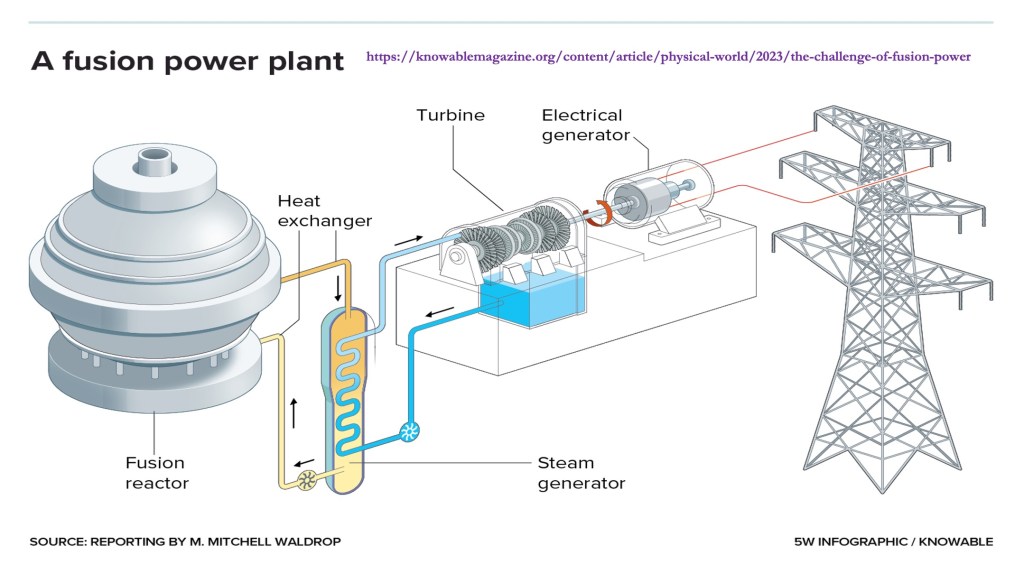
There is overwhelming bi-partisan political support for the realization of fusion energy in the United States legislative and federal government. Much of that support has focused on a stable fusion reaction so that we can produce significantly more energy than we use to create and maintain it. While this is essential, a full Fusion energy and adjacent approach must be our path. All aspects of providing fusion powerplant energy to our grid will require immediate investment in the Fusion and adjacent ecosystem workforce, supply chain, and public-community-private partnerships with scientific and engineering milestones that eliminate gaps to achieve viable Fusion energy for use.
What we do…
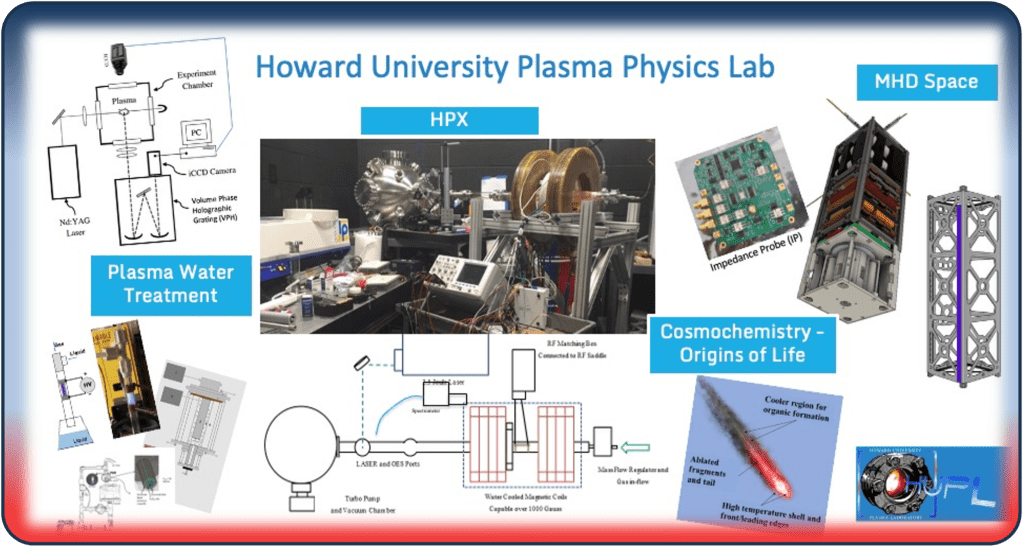
Stakeholder funding is steadily moving the lab efforts forward. For instance, in the Helicon plasma Experiment (HPX) we have constructed a diagnostic capable of simultaneous measurement of electron plasma temperature and density that can be measured with great accuracy using a high-energy laser beam pulse – the Thomson Scattering system whose collection optics upgrade is currently underway, as we continue to expand our plasma parameter data collection ability.
Who We Are
Energy Research & HPX
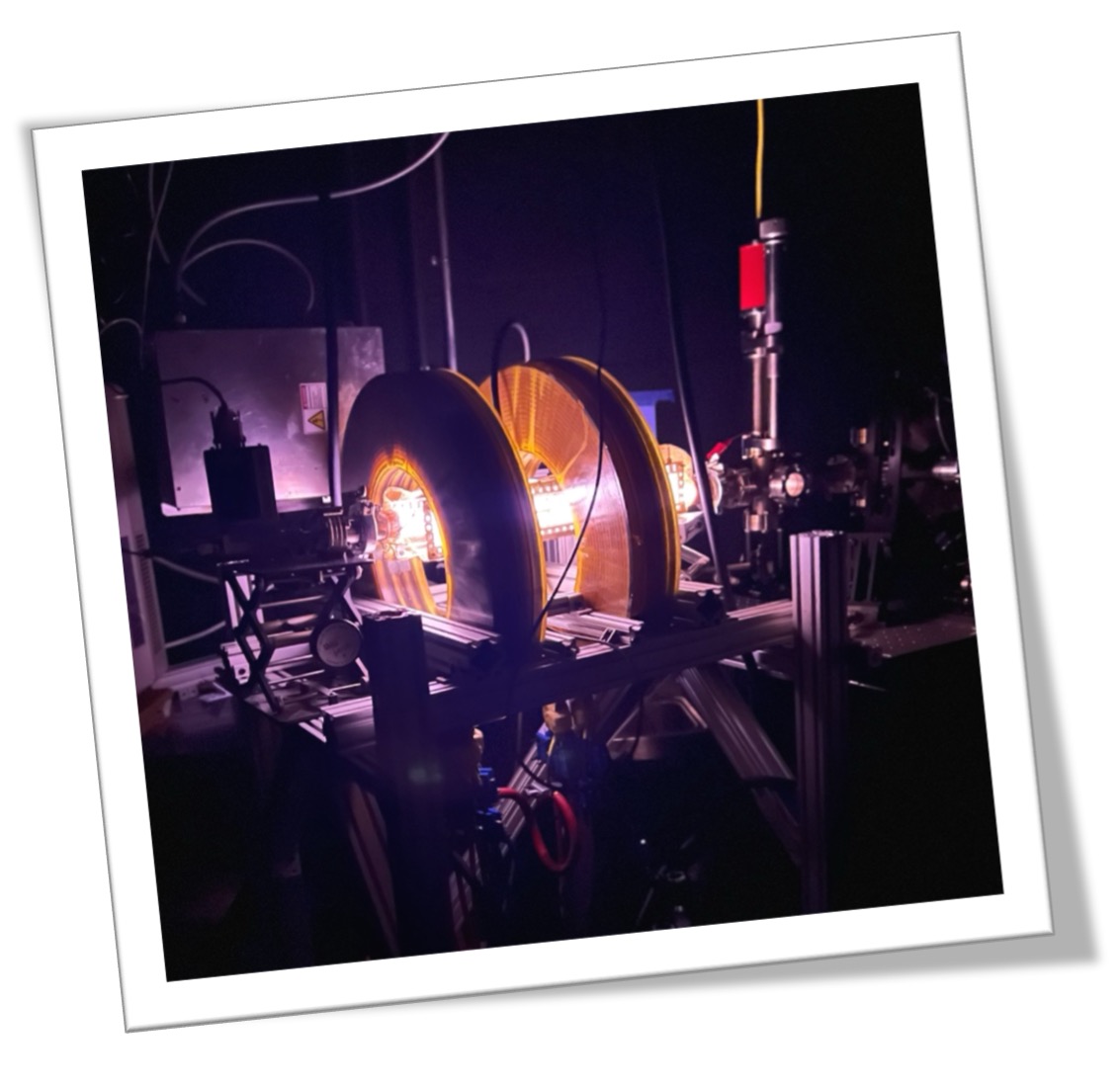
Our Helicon Plasma Experiment (HPX) is our main tool for Fusion energy and adjacent ecosystem research. HPX is an ideal diagnostics development testbed. HPX, with its small form factor, is such an easily reconfigurable device. HPX can return to operations within a day or less after an exchange or installation of components, capabilities, or experimental devices. HPX will continue to be used to develop innovative ‘intelligent’ diagnostics for high-temperature and density fusion devices like tokamaks, stellarators, inertial confinement, linear, and hybrid machines, while leveraging its versatile nature to explore space plasmas plus spacecraft propulsion.
Plasma Water Treatment
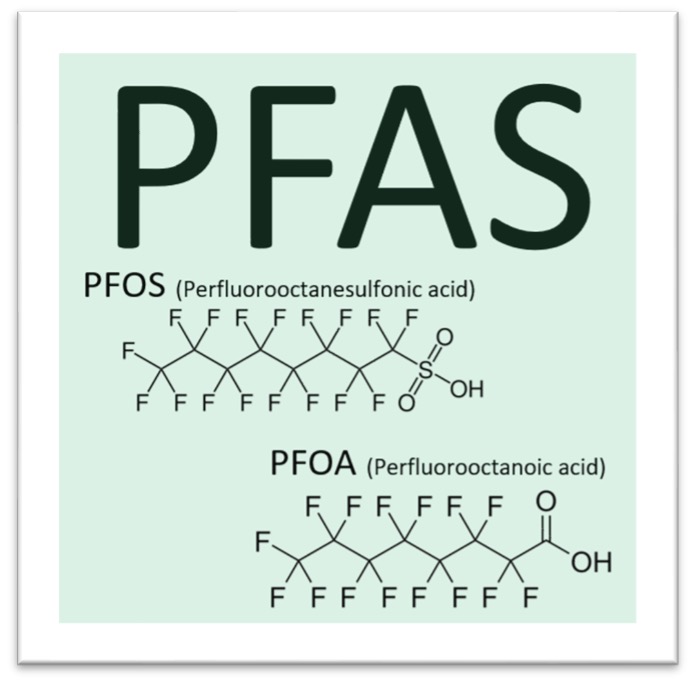
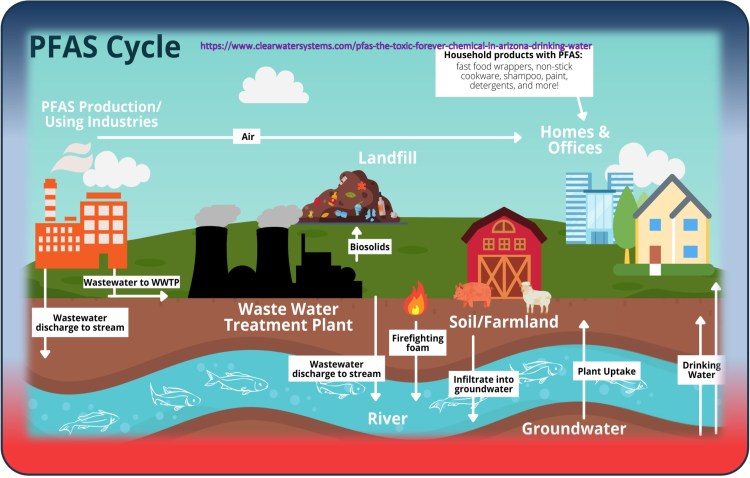
Due to growing populations and increased waste production of industrial nations, water access and control is rising in strategic importance. While pollution monitoring and its impact on ecosystems are being understood, sufficient progress has not been made in providing actual countermeasures for a given contamination issue. Plasmas in contact with water brings to bear many advanced oxidation processes simultaneously and has the potential to degrade contaminants much more rapidly than conventional methods. Plasma water treatment methods are generally applicable to a wider array of contaminants like PFAS (including PFOS and PFOA) and bacteria.
At HUPL, the modified Healthy to Innovative Framework (pictured below) is a critical guide to innovation and meeting our individual and collective mission goals. Our HUPL community (Lab members, collaborators, and local community partners) join in workshops (or Climate Elevations) as a part of onboarding and re-boarding (affectionately termed “re-bluing” for Howard’s school colors). All Climate Elevations are designed to be hybrid with full Lab participation. SITREP-team formation will also begin in this initial phase. SITREP modules that are low-stakes and center on baseline best practices to further probe and codify fundamental Psychological Safety (and the ensuing rungs of the framework) methodologies. SITREP modules evolve with proficiency as members engage in job/work specific Psychological Safety scenarios and role play centered on best practices to further develop Psychological Safety competency.

